Olho Vivo® Parking · Paid parking software
On-street paid parking software for the complete operation, from local rules to financial reconciliation.
Olho Vivo Parking is Areatec's on-street paid parking management system. It brings parking-space and zone records, rates, schedules and permits, apps, parking meters, points of sale, enforcement, revenue, reconciliation and audit into one platform.
For cities, concessionaires and operators that need to manage the street, service channels and finance as one operation.
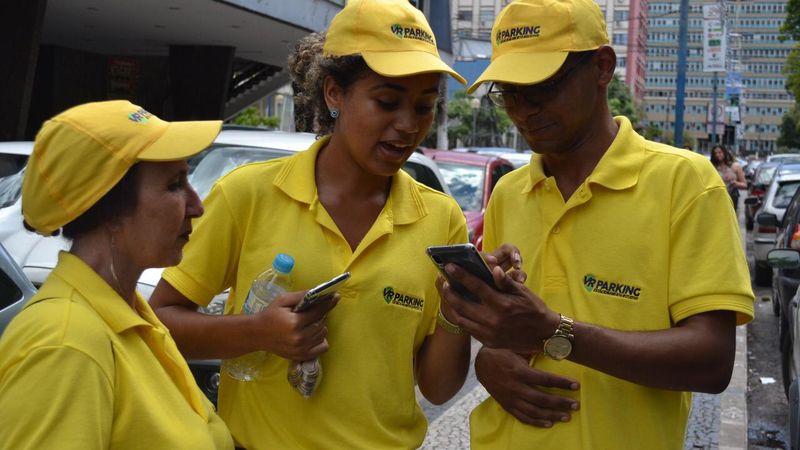
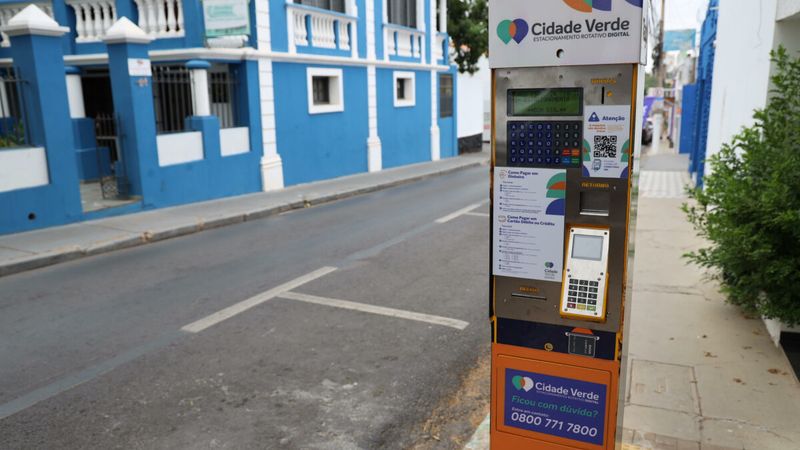
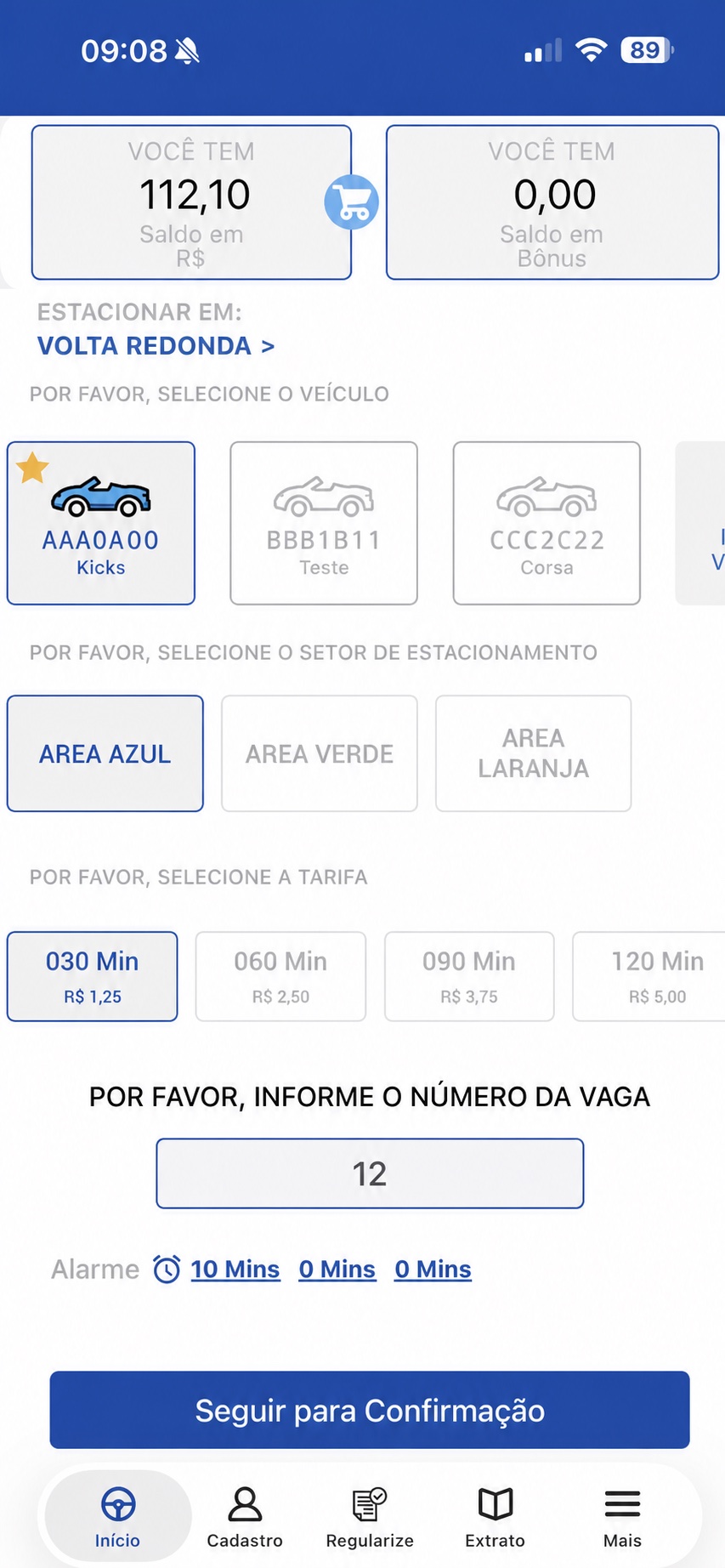
Areatec operating scale
A space is an operating unit
Payment is only one part of paid parking.
Each parking space has a location, zone, rule, rate, schedule, allowed duration, activation channels, usage status and history. Olho Vivo Parking keeps these elements connected so every team works from the same context.
The street generates events. Olho Vivo Parking turns those events into a controllable operation.
City and managing authority
Define local rules, monitor delivery, review indicators and retain their regulatory authority.
Concessionaire or operator
Manages channels, equipment, service, teams, revenue, reconciliation and operating targets.
Field teams
Check activations, operate equipment, assist drivers and record the context found on the street.
Finance and audit
Review transactions, discrepancies, settlements, closings, access profiles and event history.
From rules to results
The entire cycle needs to work together.
The product organizes what happens before, during and after use of a parking space. Steps and permissions are configured for the contract and local regulation.
- 01
Map
Georeferenced inventory of spaces, zones, areas, signs and equipment.
- 02
Configure
Rates, schedules, duration, grace periods, profiles, exemptions and permits.
- 03
Activate
Apps, parking meters, points of sale and other channels enabled for the project.
- 04
Monitor
Activations, available occupancy, service, devices and street events.
- 05
Enforce
Plate queries, smartphones, mobile OCR and review under the authority's procedure.
- 06
Reconcile
Channel transactions and receipts organized for financial review.
- 07
Audit
Reports, permissions and history that explain what happened in the operation.
One base, several paths
Every channel works from the same rule.
Drivers can use the channel available in their city without fragmenting operational control. The design may combine digital service, street equipment and in-person service.
Operating core
Olho Vivo Parking
Rules, spaces, activations, equipment, financial events and operating trails connected.
Digipare and accredited apps
Mobile activation, payment, queries and driver service.
Parking meters
Equipment from different manufacturers integrated for the project.
Points of sale
In-person service at retailers, dedicated outlets or through attendants.
Field teams
Smartphones, plate queries, service and authorized enforcement.
Occupancy and sensors
Occupancy and duration sources connected when included.
Systems and APIs
Connections to payments, records, equipment and authority environments.
Channels, payment methods, manufacturers and integrations vary by contract and municipal rules.
What the platform manages
From the city map to the operating close.
Teams do not need to assemble spreadsheets and isolated systems to understand a space, channel or operating period.
Rules and inventory
- georeferenced spaces, zones and areas
- rates, schedules and maximum duration
- profiles, exemptions and permits
- local parameters and configuration versions
Activations and service
- plate- and period-based tickets
- apps and points of sale
- parking meters and other channels
- queries and service history
Street and equipment
- connected device status
- queries made by field teams
- available occupancy events
- alerts and maintenance routines
Finance and governance
- transactions organized by channel
- reconciliation and discrepancy handling
- access profiles and relevant events
- indicators, reports and exports
Integrated enforcement
The reading finds the context. The decision remains with the competent authority.
Olho Vivo Parking brings together the situation of the plate and the space. Teams can query this context on smartphones or receive records produced by Olho Vivo Patrol and Olho Vivo City.
An OCR reading or a potential discrepancy does not issue a citation automatically.
- 01
Activation or permit
The system brings together the ticket and permissions applicable to the plate and zone.
- 02
Field query
A smartphone or OCR vehicle checks the situation in its date, time and location context.
- 03
Operating review
The team reviews discrepancies, evidence and the procedure defined by the authority.
- 04
Authorized action
When applicable, the officer uses the official workflow, including Electronic Ticketing.
Clear responsibilities
Each product solves a concrete part of the operation.
Olho Vivo Parking is the parking management platform. The other products connect to it while keeping their own function.
Olho Vivo Parking
Spaces, rules, activations, channels, finance and audit.
Digipare
Activation, payment, purchased time and receipts.
Operating commandOlho Vivo City
Operational view, monitoring and event handling.
Mobile readingOlho Vivo Patrol
Onboard OCR and records produced along the route.
Official workflowElectronic Ticketing
Digital records used by authorized officers.
Integrity and contextAreaChain and Pintrust
Event sequence and confidence in selected context.
Reconciliation and traceability
Selling through several channels requires one financial view.
Olho Vivo Parking organizes transactions received from the channels included in the project so teams can review, close and investigate discrepancies without losing each event's origin.
Identified origin
Each transaction retains its channel, time, operating reference and processing state.
Period review
Management follows sales, activations, cancellations and adjustments under its permissions.
Actionable discrepancies
Integration failures and amount differences enter review flows instead of disappearing in totals.
Audit history
Reports and trails help reconstruct the event path and actions taken.
Real operations
The same core applied to different municipal models.
Software, equipment, enforcement and operating responsibility vary by contract. These cases show how the platform works in concrete settings.

Multi-app platform
Montes Claros · MG
4 accredited appsAfter fully passing the proof of concept, the platform began organizing rules, ticket validation, physical outlets, reconciliation and financial flows.
View operationDirect concession operation
Volta Redonda · RJ
43 meters and 1 OCR vehicleWe lead the operating consortium with Sinalvida. Olho Vivo Parking, Digipare, points of sale, Patrol and Electronic Ticketing work in one operation.
View operationEquity in the concessionaire
Cuiabá · MT
86 meters and 2 OCR vehiclesWe participate in the technology operation with Digipare, enforcement smartphones and a field structure integrated into the concession agreement.
View operation
Direct municipal service
Cariacica · ES
33 meters and 1 OCR vehicleThe agreement integrates management, activation channels, street equipment and mobile plate reading without confusing service delivery with a concession.
View operationDeployment
The platform goes live through rules, integration and acceptance.
Deployment starts from the city's real design and ends with a verifiable operation. Scope, timeline and criteria are defined with the responsible team.
- 01
Assessment
Rules, areas, audience, channels, equipment and existing systems.
- 02
Inventory
Spaces, zones, signs, assets and operating owners.
- 03
Integration
Data contracts, responses, authentication, errors and contingency.
- 04
Configuration
Local parameters, profiles, permissions and financial flows.
- 05
Proof and training
POC or pilot when required, tests, training and acceptance criteria.
- 06
Assisted operation
Gradual launch, monitoring, support and controlled evolution.
Frequently asked questions
What must be clear before procurement.
Direct answers about channels, equipment, enforcement, integration and deployment.
What is Olho Vivo Parking?
Olho Vivo Parking is Areatec's paid parking management system. It organizes rules, activation channels, occupancy, enforcement, reconciliation and indicators without confusing the role of technology with the decisions of the competent authority.
Is Olho Vivo Parking just an app?
No. Digipare is the driver's app. Olho Vivo Parking organizes the whole operation and connects with activation channels, equipment, enforcement and the Olho Vivo City command environment.
Can Olho Vivo Parking integrate parking meters from different manufacturers?
Yes, when the equipment provides compatible protocols, interfaces and data contracts. Deployment validates transactions, status, responses, failures, security and maintenance responsibilities before each model enters operation.
Can a city use more than one app and other activation channels?
Yes. An operation may combine Digipare, accredited apps, parking meters and points of sale. Every channel must apply the same municipal rule and return the events needed for validation, reconciliation and audit. Montes Claros is a documented non-exclusive multi-app case.
How does financial reconciliation work?
Transactions received from the channels included in the project retain their origin, reference, amount, time and processing status. Management can review periods, identify differences between expected and received events and route discrepancies for analysis under its permissions and closing rules.
Can the system integrate with records and systems already used by the city?
Yes, when compatible interfaces and contracts are available. The technical design defines data, authentication, validations, error responses, contingencies, access boundaries and each system's responsibility before deployment.
Can an existing paid parking operation be migrated?
Yes. Migration starts with an inventory of existing spaces, rules, channels, equipment, records and integrations. The project defines which data can be reused, how it will be checked and which tests and acceptance criteria are required before cutover.
What happens when connectivity is unavailable?
Contingency is defined for each component and channel. Compatible equipment and apps may retain local queues or records and synchronize later, but this behavior must be tested with the project's hardware, network, time limits and rules. The platform does not assume that every channel behaves the same way without connectivity.
How does the platform control access and audit?
Profiles and permissions limit what each person can view or perform. Relevant configuration, processing and operating events may form audit trails. Data retention, integration, export and access are defined under the contract, authority policy and applicable law.
How long does deployment take?
Timing depends on the regulated area, inventory, channels, equipment, integrations, migration and acceptance criteria. The schedule is set after the technical assessment and may include a proof of concept, pilot, training and gradual launch.
Who decides what action to take when there may be a violation?
The competent authority, under local law and procedure. Technology can organize queries, alerts and contextual records, but it does not replace human review or the legal authority of the officer or agency.
Shall we design your city's operation?
Tell us how rules, channels, equipment, enforcement and finance work. Our team will organize a demonstration around that setting.