ASSESSMENT · METRICS AND ACCEPTANCE
Vehicle ALPR accuracy: the number only matters with context
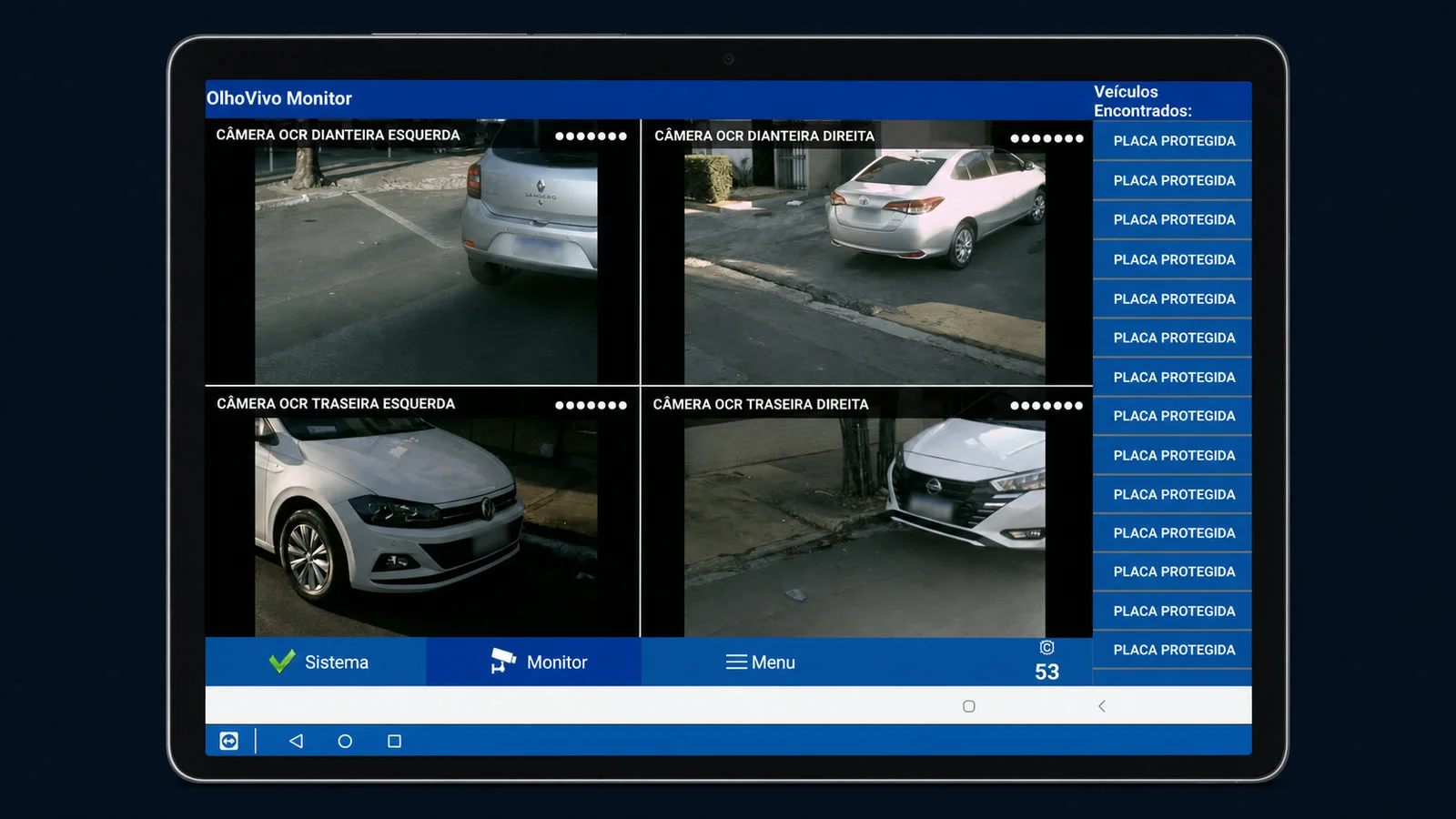
A single rate can hide undetected plates, inconclusive readings and conditions missing from the sample. A useful assessment separates stages, errors and scenarios before comparing results.
OCR / LPR
On this page
The right question is not only “what is the accuracy?” It is: accuracy of what, on which sample, under which conditions and with what rule for inconclusive cases?
DEFINE BEFORE TESTING
Detection, exact reading and confidence are different measures
Detection rate checks whether a present plate was located. Exact match checks whether the entire string was recognized correctly. Character accuracy can help diagnose errors, but it does not replace exact match when one changed character creates a different plate.
False positives, false negatives and inconclusive cases must appear in the report. Removing difficult cases after testing makes the rate incomparable.
- Plates present, detected and not detected.
- Strings correct, incorrect and inconclusive.
- Objects without plates incorrectly accepted as readings.
- Latency, throughput and stability at the contracted load.
REPRESENTATIVE SAMPLE
Ground truth should exist before results are revealed
A team independent from the result annotates which plates are present and the correct string. The sample should cover relevant times, routes, directions, speeds, weather, lighting, occlusion and condition.
Separating a tuning set from an acceptance set prevents measuring the system on the same images used for calibration.
READING THE INTERFACE
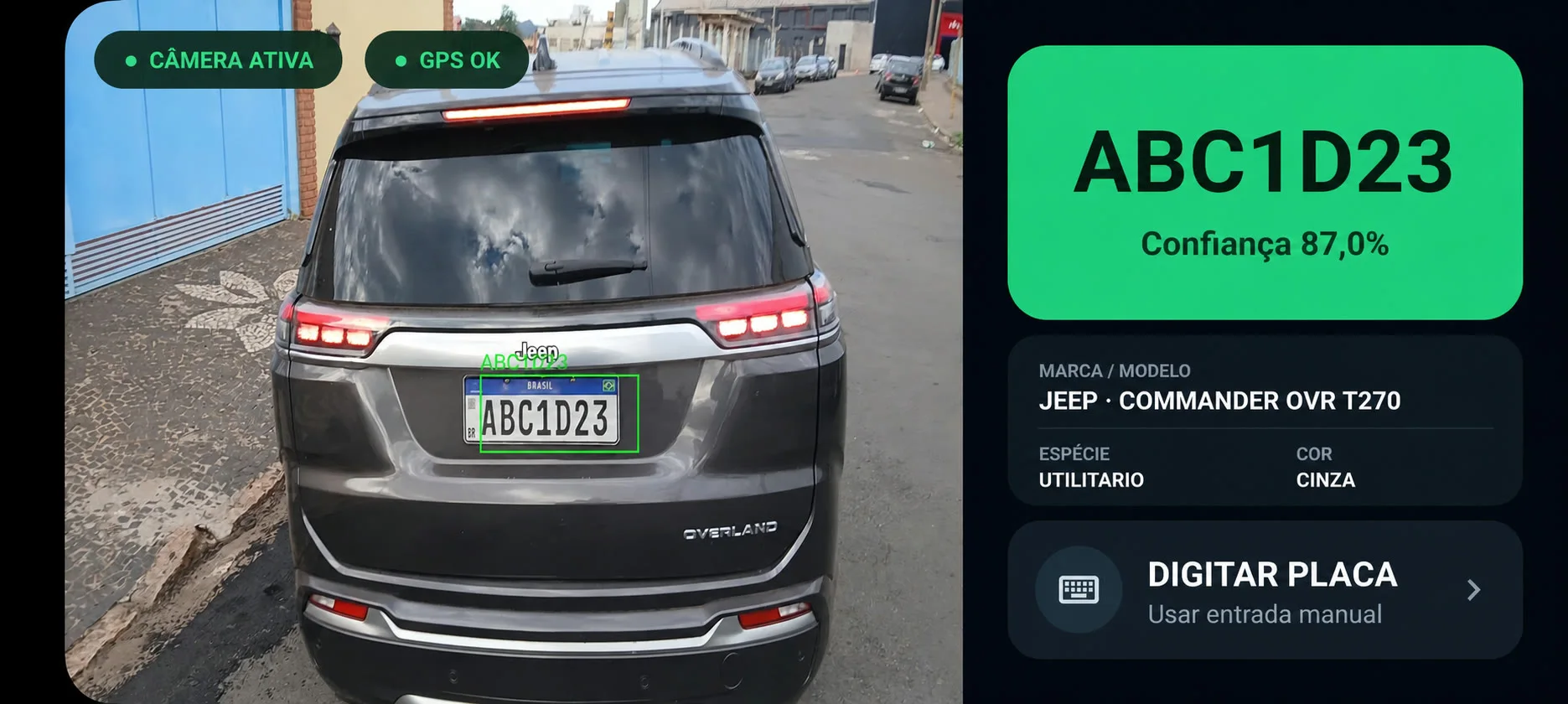
Individual confidence is not overall accuracy
A confidence indicator accompanies a specific system hypothesis. It can help order review or apply a threshold, but it does not tell you how many readings in a dataset were correct.
The screen below shows an anonymized real case. The visible value belongs only to that reading and is not a product benchmark.
STRATIFY RESULTS
An average does not show where an operation loses quality
The report should separate at least camera, lane, period, lighting and relevant difficulty classes. This makes it possible to find whether a problem is concentrated in a geometry, time or plate type.
- Day, night, backlight, rain and glare.
- Stopped vehicle, low speed and intended operating speed.
- Front, rear, angled, dirty, damaged or partially occluded plates.
- One camera and multiple channels at the contracted simultaneous load.
CONTRACT
Acceptance records limits, methods and behavior under uncertainty
The contract should fix the sample, metric, threshold, hardware, version, conditions and tolerances before testing. It also needs to say when a reading proceeds, requires review or must be discarded.
A material change in camera, installation, route or load warrants verification proportional to its impact.
Vehicle OCR, with distinct search intents
Continue with the right topic
Each chapter answers a different question about automatic license plate recognition.
From explanation to operation
Explore related solutions
Direct answers
Frequently asked questions
Why not publish one accuracy rate?
Because results change with the camera, installation, speed, lighting, angle, plate condition, load and treatment of inconclusive cases. Without a sample and method, a percentage is not comparable.
Is character accuracy sufficient?
Not when the use requires the complete plate. One changed character can produce another valid string. Character accuracy may aid diagnosis, but the report should include exact plate match.
Do inconclusive cases count as errors?
The rule must be defined before testing and reported separately. Hiding or removing inconclusive cases distorts comparison. Operational impact also depends on how the workflow handles them.
Is the confidence shown on screen the system accuracy?
No. It is an indicator for that individual hypothesis. Accuracy is calculated over a dataset with ground truth and a defined metric.
Does a laboratory test replace field testing?
No. It helps compare components under controlled conditions, but acceptance needs to represent the geometry, lighting, speed, plates and load of the contracted operation.