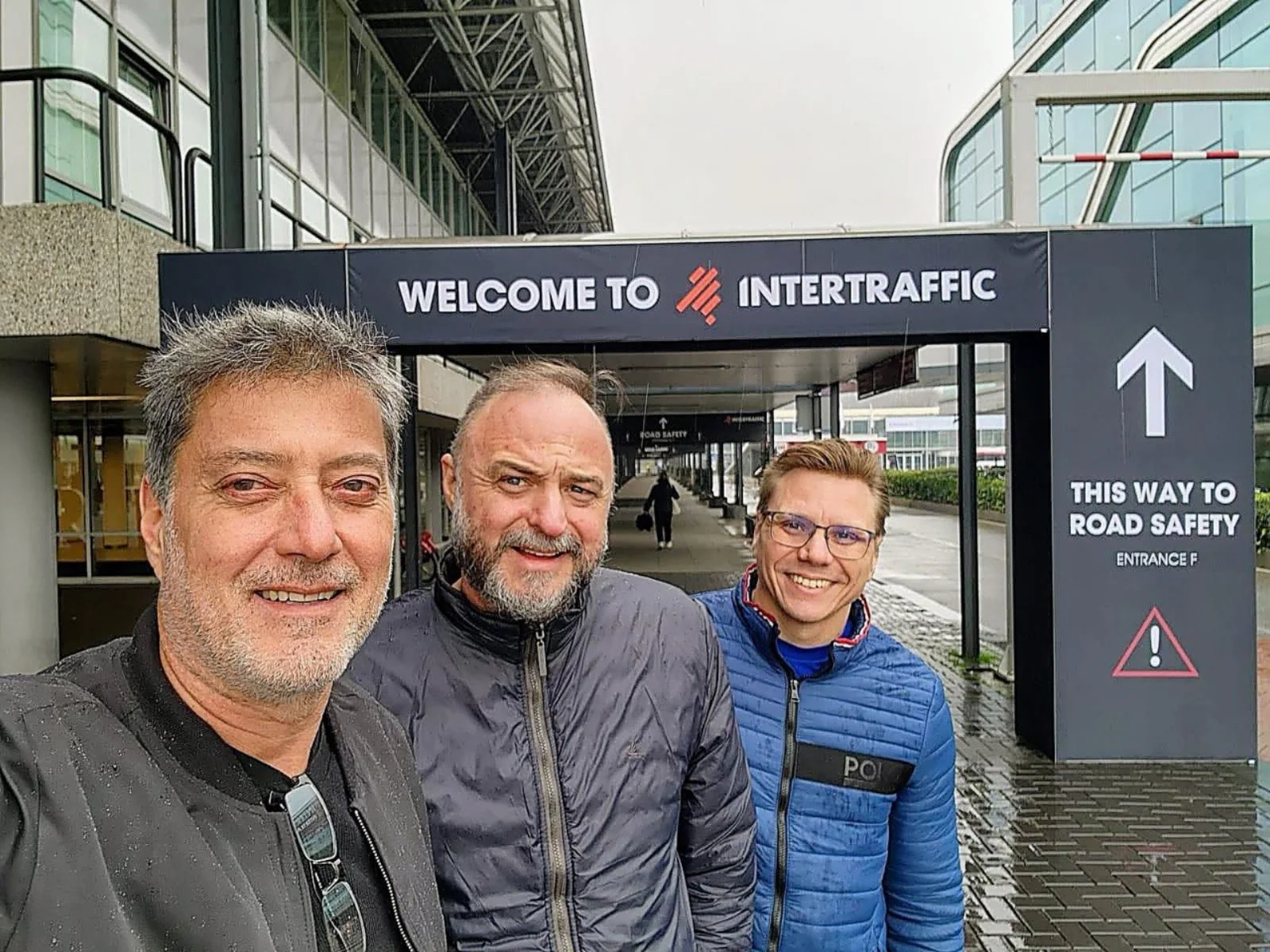
Intertraffic Amsterdam brings the world's largest makers of radars, traffic lights, tolling, parking management and electronic enforcement together at Amsterdam RAI. It is the biggest traffic technology fair on the planet. For a company that comes from Brazil, being there means more than setting up a booth. It means placing years of engineering in front of the global industry and listening to what it has to say. Areatec walked the 2026 edition with that mindset.
We came back sure of one thing. The solutions we built for Brazilian streets keep pace with the most advanced work abroad. On several fronts, they lead. The reason is simple. They were born solving problems that Europe, with its more predictable infrastructure, rarely faces.
The biggest mobility showcase on the planet
For decades, Intertraffic has been where the future of mobility shows up before it reaches the cities. It gathers traffic authorities, public managers, integrators and manufacturers from dozens of countries. All of them chasing the same answer: how to move people and vehicles with more safety and less friction.
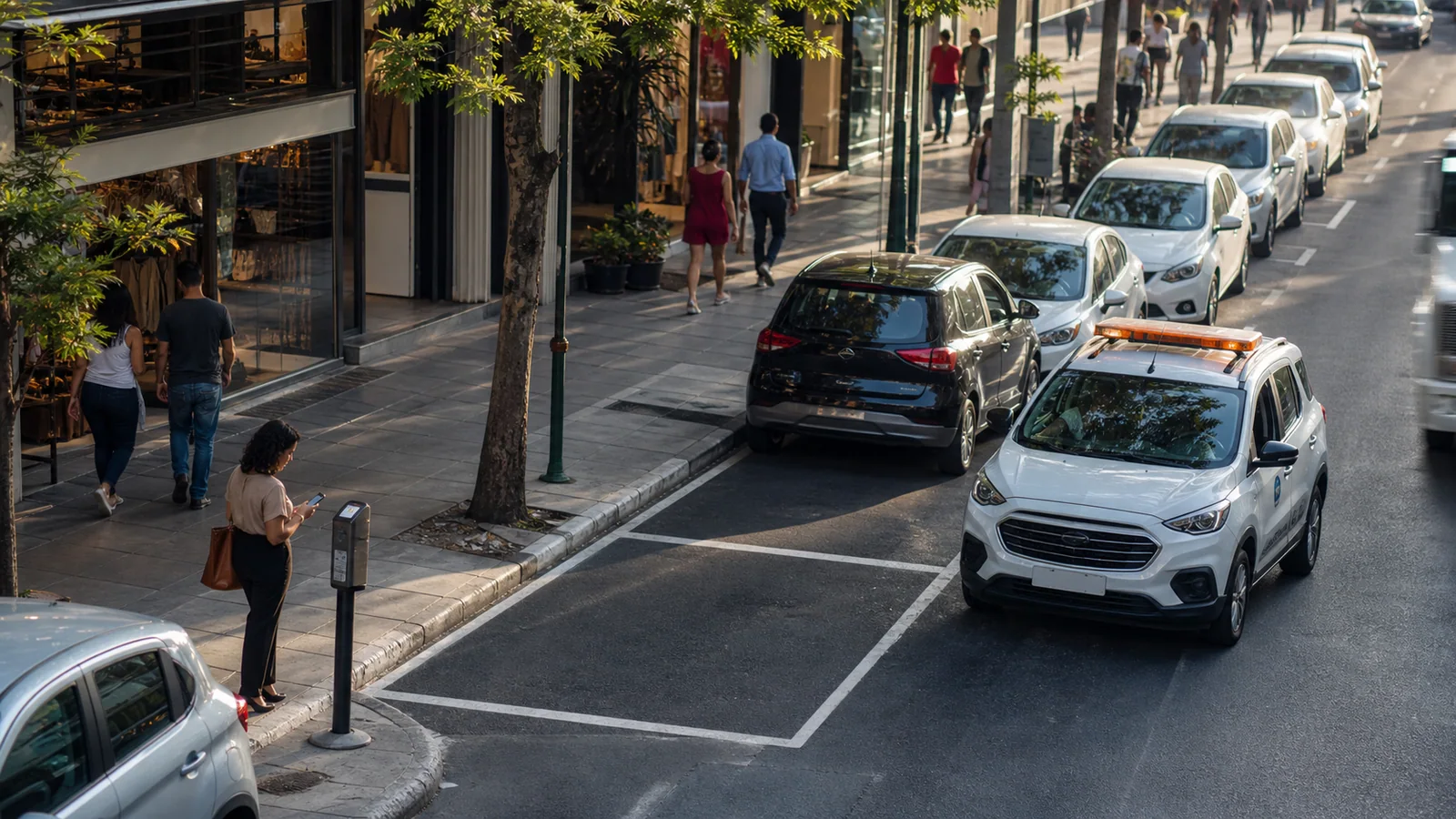
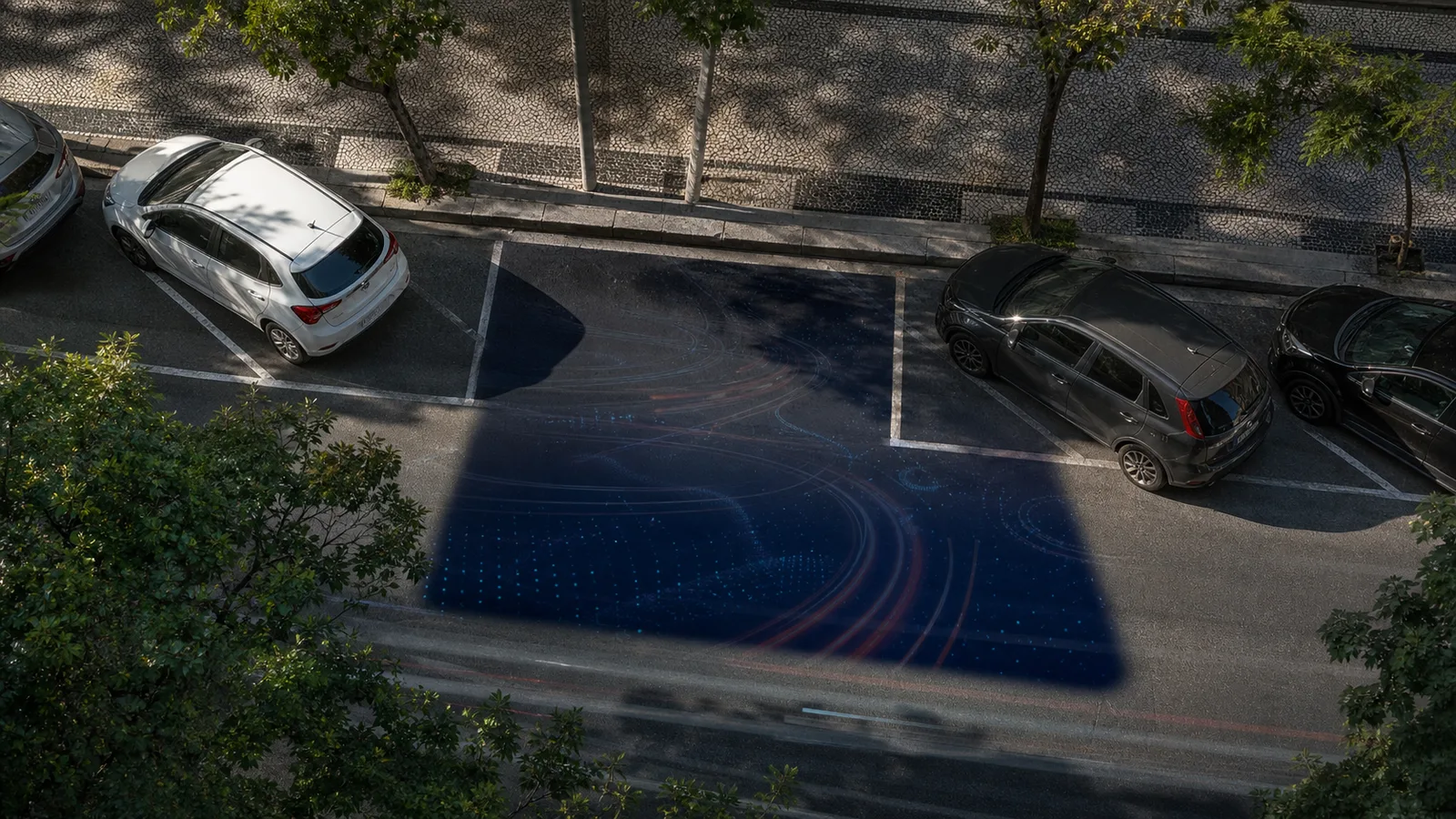
Walking that space, you understand in a few days where the industry is heading. Plate reading, parking sensors, embedded artificial intelligence, smart city platforms. For us, the fair became a calibration test. We compared our vision against the best in the world and checked, point by point, the maturity of our enforcement and digital paid parking ecosystem.
Brazilian technology that proves itself abroad
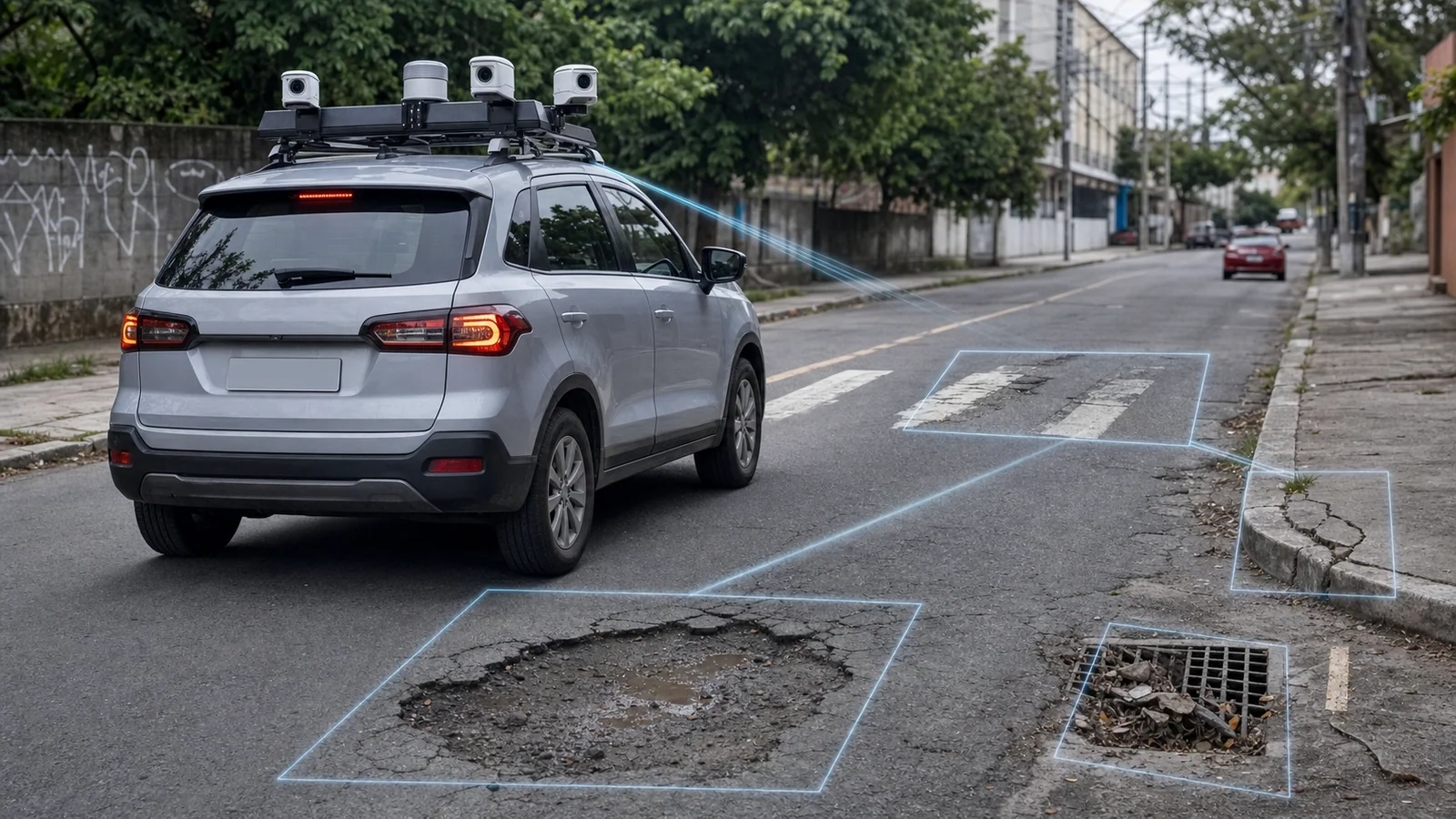
Many of the exhibitors treated automatic plate reading as a goal still ahead of them. We already run the largest OCR fleet in the world, every day, on Brazilian streets. The Aretron artificial intelligence engine uses proprietary hard-case-focused training, trained on three decades of real traffic data. It reads plates with 98.7% accuracy in the rain, against the light and when the plate is worn. Olho Vivo Patrol does this processing inside the vehicle itself, with no need for a connection.
That drew attention. Many European solutions start from stable networks and a controlled environment. Ours grew in the opposite setting: signal that drops in dead zones, harsh sun, heavy rain and the huge variety of Brazilian cities. This field experience is what the global market looks for when it needs to reach emerging regions.
The weight of working in the real world
Demonstrating a concept on an air-conditioned booth is one thing. Keeping the technology standing on hot asphalt, every day, across hundreds of municipalities, is another. The fair made that plain. The future belongs to whoever masters the operation for real, at scale, with legal validity.
Those are our pillars. The electronic ticketing book approved by SENATRAN. The certified geolocation Pintrust. The digital chain of custody AreaChain. Together, they turn each record into proof that holds whole and stands before the law.
New doors for global partnerships
Intertraffic did more than validate the product. It opened conversations. Standing among the big names in mobility shows that a Brazilian company, from Araras, in the interior of São Paulo, designs and builds technology that competes and cooperates at the international level. We left Amsterdam with new paths for partnerships, integrations and the export of an engineering that learned to work where it is hardest.
The lesson I bring back fits in a few words. Brazil does not need to ask permission to stand among the best in the world in traffic technology. It needs to keep doing what it has always done. Deliver technology that works and solves real problems for real people.