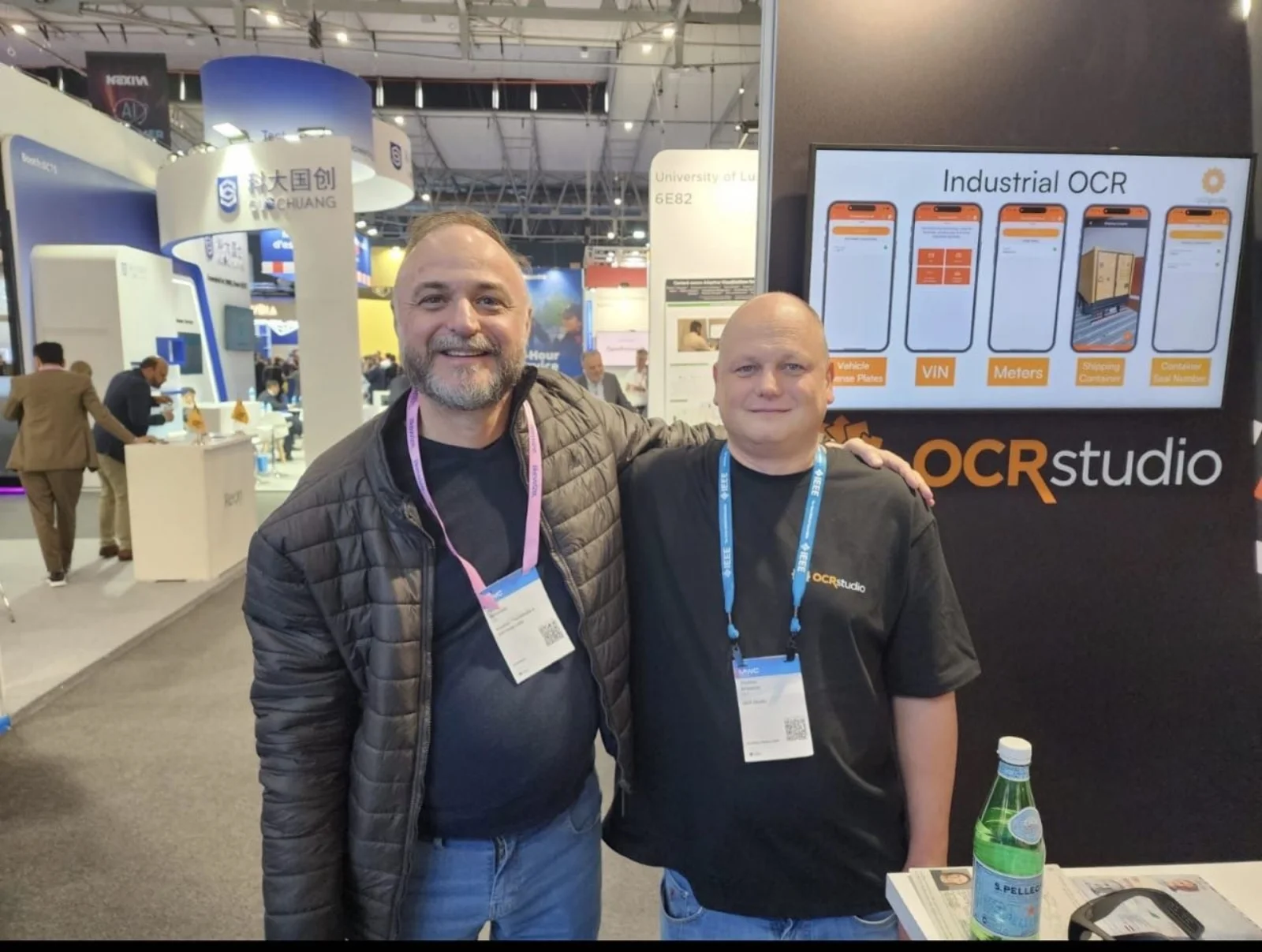
At Mobile World Congress 2026, in Barcelona, among tens of thousands of people and the demos from the biggest technology companies, I had the chance to meet Vladimir Arlazarov. He is the CEO of OCR Studio and one of the most respected names in the world in computer vision and document recognition, with more than 150 scientific publications. It brought together two worlds that seem far apart: leading research and the engineering that runs on the streets. In practice they are the same work seen from two angles.
Anyone who spends a career turning images into reliable information knows the value of sitting down with someone who helped lay the foundations of optical character recognition. The conversation came down to a single question. How do you teach a machine to read the real world with the confidence society demands.
Science and engineering: the two sides of OCR
To the public, OCR looks like a solved problem. Any phone can read a document today. The gap shows up when the task changes. Reading a still piece of paper under good light is simple. Reading a dirty, dented plate, in motion, under rain and backlight, in fractions of a second and with legal validity, is another story. That is where science and engineering have to move together.
Vladimir Arlazarov carries the scientific tradition. Decades of research in neural networks, pattern recognition and the mathematics behind OCR. Areatec sits on the other side. We take those principles and make them work, without stopping, across hundreds of municipalities, every day, in the worst conditions. Talking with him confirmed that on the street we solve the same problems the research frontier considers hard.
The research behind every plate that gets read
One of the best moments of the conversation was talking about the rare cases. The confidence of an OCR system depends on how it handles the small group of problematic plates. That is exactly where Areatec engineering meets the best science in the world.
Our artificial intelligence engine, Aretron, uses proprietary hard-case-focused training. It steers the neural network's learning toward the hardest cases, instead of settling for the majority of easy plates. Trained on three decades of real data from Brazilian streets, Aretron reaches 98.7% reading accuracy. That is not a laboratory number. It comes from operating the largest OCR fleet in the world, exposed every day to the unpredictability of traffic.
From the laboratory to the asphalt
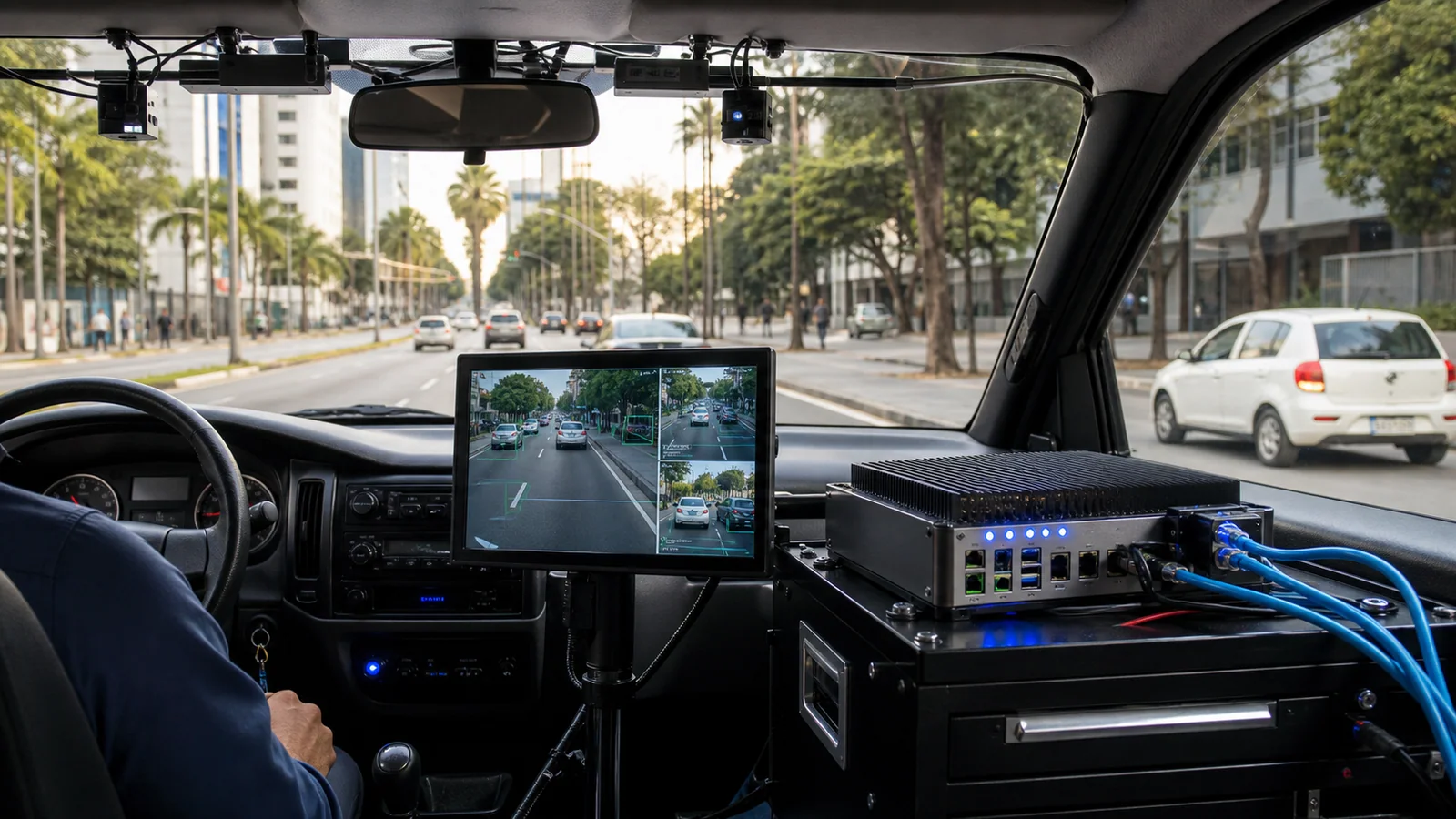
The takeaway from the meeting was simple. The distance between the scientific publication and the asphalt is today's battlefield. An elegant algorithm on paper is not enough. It has to run inside an enforcement vehicle, without depending on a connection, anonymize sensitive data right there to respect privacy and generate a chain of evidence that holds up before the law.
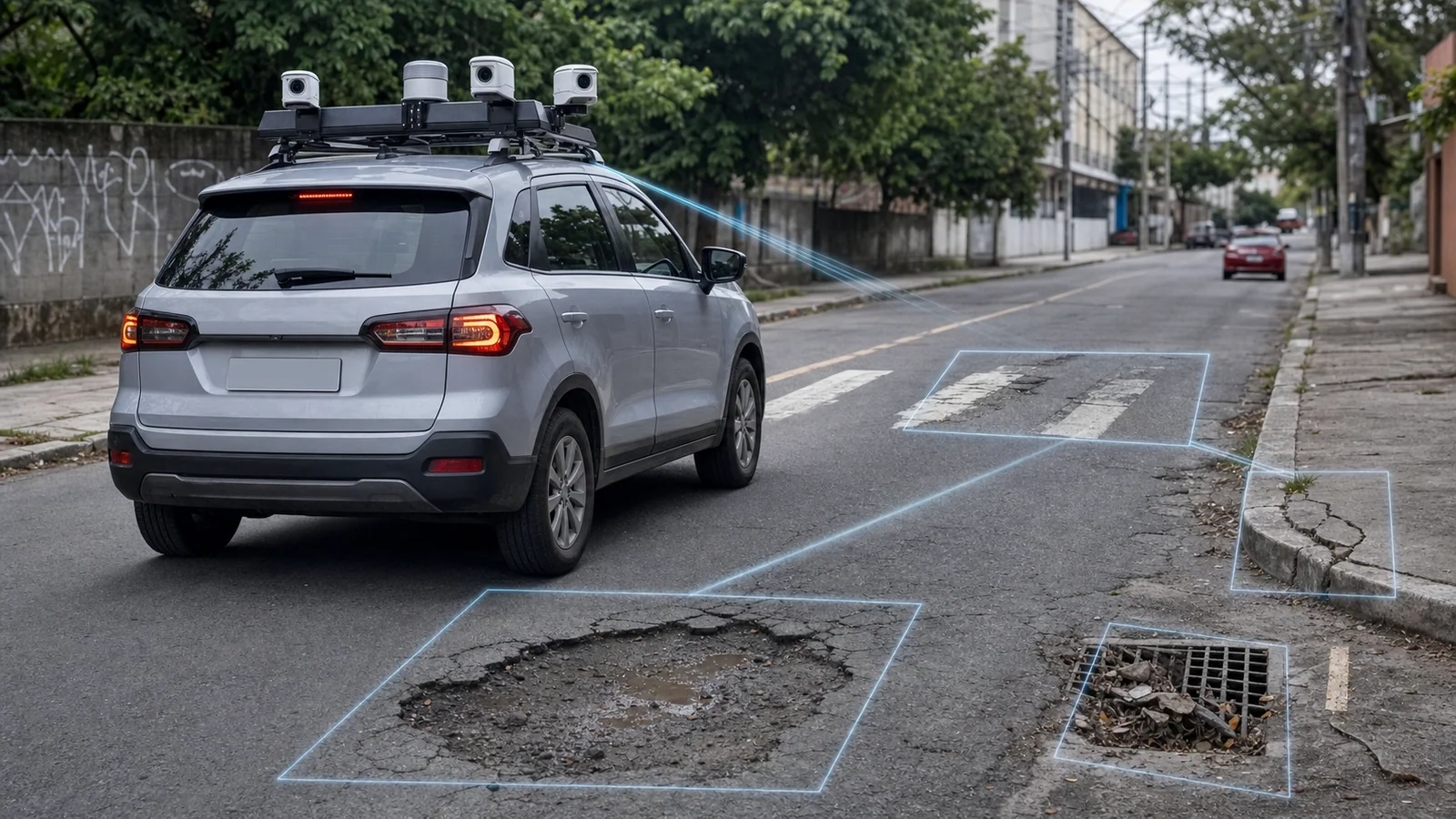
This bridge between science and the street defines Areatec's work. We take the best in computer vision and embed it in Olho Vivo Patrol. The theory becomes a tool that organizes traffic and protects the driver from unfair penalties. Meeting someone like Vladimir Arlazarov reinforces that this mission has scientific depth, not just operational merit.
What I take from this meeting
I left Mobile World Congress 2026 with a firmer conviction. Brazilian OCR technology is not a curiosity in some corner. It speaks as an equal with the scientific vanguard of the world. Exchanging ideas with a researcher of Vladimir Arlazarov's stature is an honor and a responsibility at the same time. Every tenth of a point of accuracy we chase turns into a driver treated fairly and a city better cared for.
Science shows the way. Engineering builds it. This is the meeting point between leading research and technology that works in the real world that Areatec has chosen to follow.