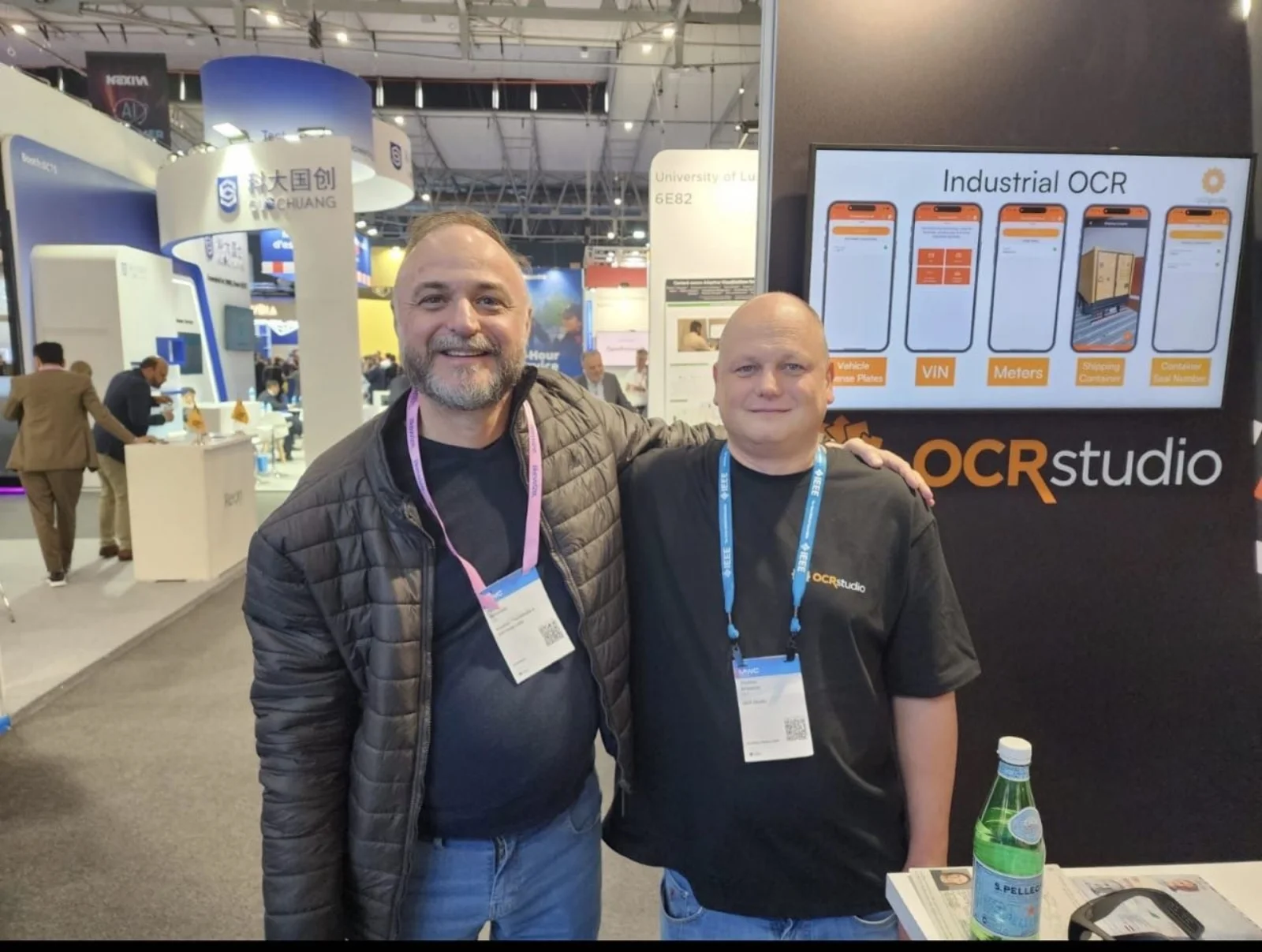
The constant buzz of tens of thousands of voices in multiple languages filled the vast halls of Fira Gran Via in Barcelona during the 2026 edition of the Mobile World Congress. Amid demonstrations of conceptual devices and discussions on ultra-fast connectivity networks, one theme stood out unequivocally: data processing at the edge, known as edge computing. I attended the event alongside Areatec directors, César Mourão and Ronei Martins. Our mission was clear: to confront our vision of technological development with the cutting edge of the global telecommunications and urban mobility industry. What we witnessed over those intense four days was not the emergence of an abstract new trend from the lab, but rather the definitive validation of a technical path that Areatec has been pragmatically pursuing for years on the streets of Brazil.
For those observing the evolution of smart cities from a strictly theoretical perspective, the cloud has always been presented as the inevitable destination for all data solutions. The promise was seductive: simple sensors capture information on the streets and send everything to massive centralized servers that perform processing and return decisions. However, the relentless test of tropical urban reality—under strong sun, torrential rain, and the chronic instability of mobile networks in Latin America—destroys this premise. MWC Barcelona 2026 solidified the understanding that real-world smart cities cannot wait for cloud latency. Decision-making must happen where the event occurs: at the edge of the urban infrastructure.
The Breaking of the Centralized Cloud Paradigm
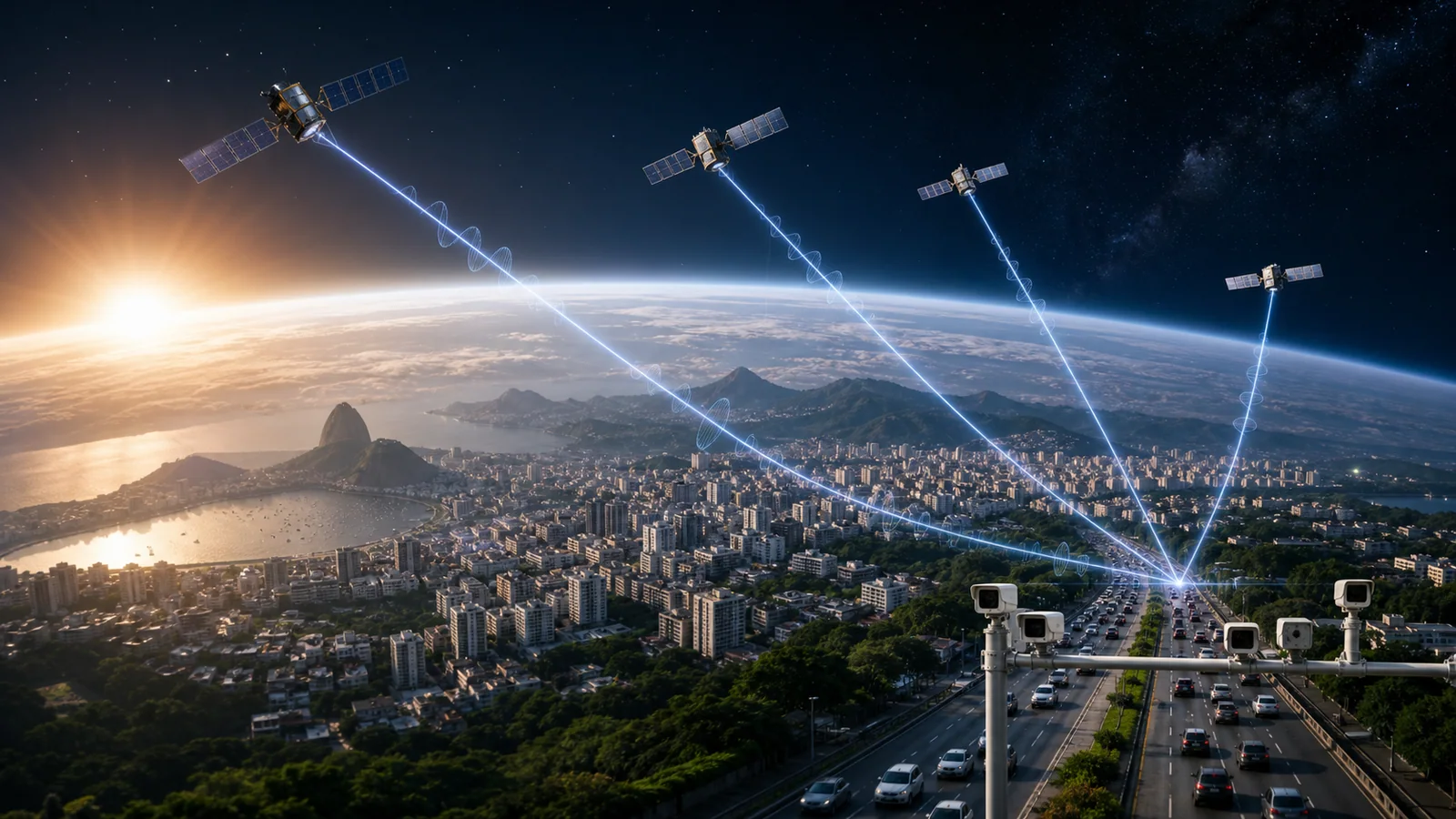
The absolute dependence on constant connections to central servers for critical traffic and public safety decisions represents an unacceptable operational risk for any municipal administration. If a patrol vehicle equipped with license plate reading cameras must transmit every captured video frame to the cloud to perform artificial intelligence inference, the system becomes vulnerable to multiple points of failure. Cellular signal fluctuations in so-called urban shadow zones, bandwidth congestion on mobile networks, and the prohibitive financial cost of massive high-definition data traffic make large-scale operation unfeasible.
The solution to this structural bottleneck is embedded intelligence. At MWC Barcelona 2026, leading urban technology figures demonstrated that local processing is the only viable path to enable real-time monitoring services. This approach involves transferring computational power directly to peripheral devices installed on streets or enforcement vehicles. The device is no longer a mere image or signal capturer but an autonomous processing node capable of analyzing the environment, making decisions within fractions of a second, and transmitting only structured data and necessary evidence to centralized management systems.
Areatec’s Pragmatic Experience with Local Processing
While many global players showcased their first edge processing prototypes at MWC Barcelona, Areatec was able to confirm the maturity of its own solutions, which have operated under this philosophy for years. Our intelligent mobility and enforcement ecosystem was designed from day one to function under the harsh conditions of the real world, where ideal connectivity is the exception, not the rule. This pragmatic engineering guideline is directly reflected in our main products, which run robustly on the streets of Brazil.
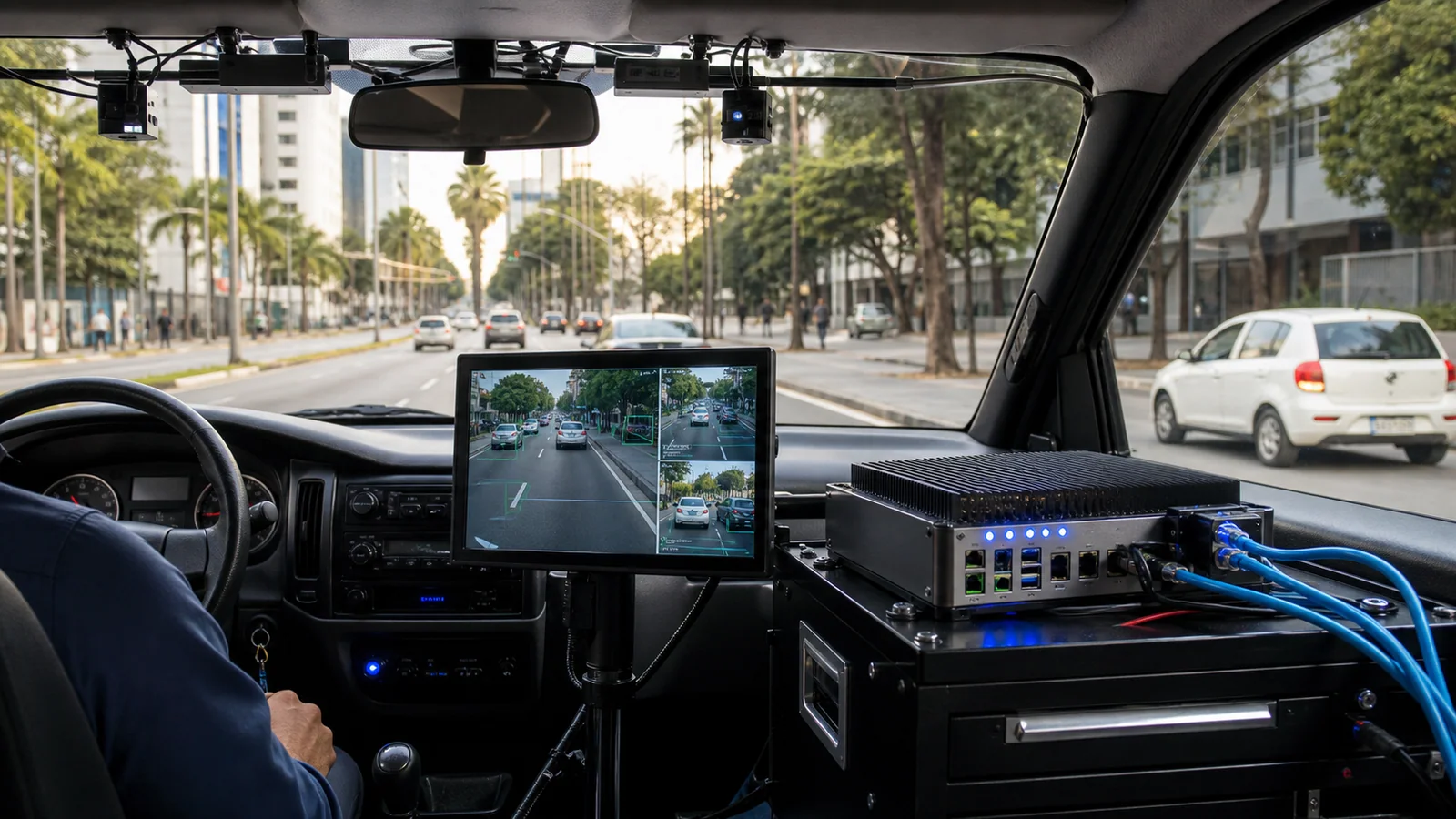
The Olho Vivo Patrol monitoring vehicle is the ultimate embodiment of this “brain on wheels” concept. Equipped with high-definition cameras and an industrial onboard computer running proprietary computer vision algorithms, the vehicle performs real-time optical character recognition without consuming internet bandwidth. License plate reading, cross-referencing with the local database of authorized vehicles for digital paid parking, and validation of compliance all occur locally within milliseconds. The system transmits only confirmed non-compliance records, reducing cellular data consumption by more than 95% compared to continuous video transmission systems.
The Future of Smart Cities Reacts in Real Time
The key lesson we brought back from Barcelona is that tomorrow’s smart cities will be governed by predictive and reactive systems operating in milliseconds. Urban mobility can no longer be managed through consolidated statistical reports at the end of the month. If a vehicle breaks down on an expressway blocking a traffic lane, or if heavy rain triggers a flooding point, the public administration’s response must be immediate to prevent a cascading gridlock throughout the road network.
The integration of artificial intelligence at the edge allows sensors installed on public lighting poles or patrol vehicles themselves to autonomously identify these anomalies. Areatec’s Aretron system uses this local processing capability to continuously analyze traffic flows. Upon detecting a sharp slowdown pattern at an intersection, the system dynamically adjusts the region’s traffic light timings to relieve excess flow and sends georeferenced alerts to navigation apps, diverting traffic before congestion consolidates.
This capacity for immediate reaction transforms the relationship between citizens and municipal management. The city hall ceases to be a reactive entity that responds belatedly to manual complaint calls and becomes a proactive agent managing infrastructure invisibly and efficiently. This is the essence of our work philosophy: developing technology that solves real people’s problems, making the urban environment safer, smoother, and more welcoming.
Technological Sovereignty and Legal Security
Another topic of intense discussion at MWC Barcelona 2026 was data governance and citizen privacy in smart urban environments. Capturing images in public spaces requires strict compliance with data protection regulatory frameworks, such as Brazil’s General Data Protection Law. Edge processing also emerges as a powerful ally of privacy.
By performing artificial intelligence inference locally on the Olho Vivo Patrol vehicle itself, Areatec applies irreversible anonymization techniques, such as pedestrian face blurring, directly at the edge before any image is transmitted or stored on external servers. This ensures that sensitive biometric data never leaves the physical perimeter of the capture device, eliminating leakage risks and guaranteeing full legal security for municipal administrations using our solutions.
Areatec’s participation in the 2026 Mobile World Congress reinforced our conviction that technical pragmatism is our greatest competitive advantage. While the market debates abstract concepts, we continue delivering robust solutions that work on hot asphalt, under heavy rain, and in the most challenging conditions of our country, establishing Areatec as the true benchmark in technology for intelligent mobility and enforcement in Latin America.