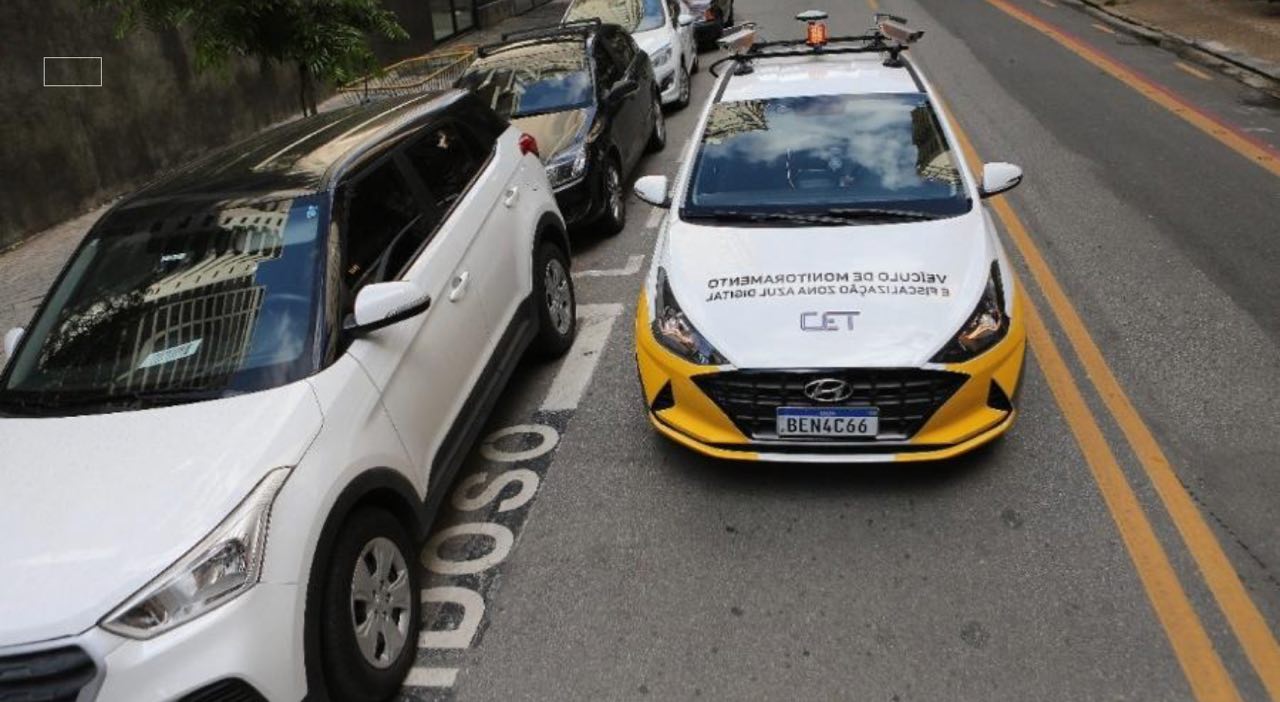
You’ve probably seen them on the streets of São Paulo. Those CET-branded cars, with a roof-mounted rig full of cameras, cruising slowly through the metered parking zones. The internet quickly nicknamed them the “ticket car,” and many people believe they automatically fine anyone who crosses their path.
The truth is a little different — and much more interesting.
As a Brazilian manufacturer of solutions in this category, Areatec explains how this type of OCR enforcement works, what the vehicle records, and where the officer’s responsibility begins. The setup used in São Paulo depends on rules, contracts, and procedures defined by local authorities; this article does not identify Areatec as a supplier to that operation.
How the “Ticket Car” Works (And Why the Nickname Is Unfair)
The term “São Paulo ticket car” caught on fast. It’s easy to see why: a driver watches the car go by and, days later, receives a citation at home. But the vehicle itself does not issue fines. It is a data collector on wheels.
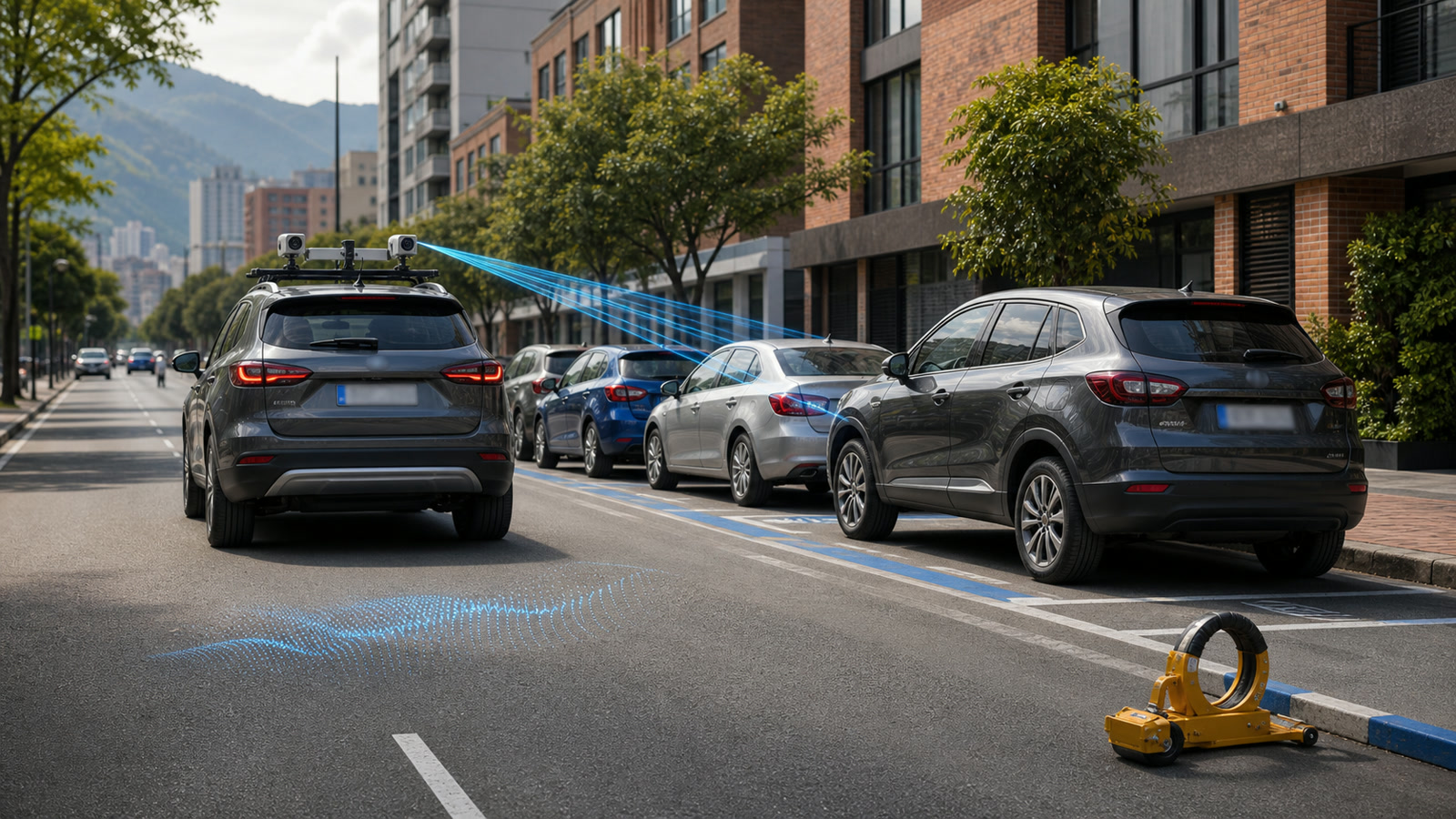
The magic happens on the vehicle’s roof. The system uses OCR (Optical Character Recognition) technology. Here’s how it works:
- Capture: High-precision cameras photograph the license plates of parked cars as the monitoring vehicle drives past.
- Processing: The system reads the characters on the plate in fractions of a second, even while the car is moving.
- Context check: The plate may be compared with the activation available for the date, time, and location, according to the project integration.
- Alert: The system checks whether that vehicle has an active CAD (Digital Blue Card) for that parking space.
When a potential discrepancy appears, the record may be sent to an officer or the competent authority. The vehicle does not confirm a violation on its own; any citation follows the authority’s official procedure.
How Areatec structures this type of solution
In Areatec’s product line, onboard intelligence is developed in Brazil and applied according to each project’s scope. That statement describes Areatec’s solution, not the origin of equipment or software used by CET-SP.
Headquartered in Araras, São Paulo state, Areatec develops and manufactures traffic enforcement and paid parking solutions. In this ecosystem, Olho Vivo Patrol performs mobile OCR capture; Electronic Ticketing supports the officer’s official workflow; Digipare serves drivers where it is accredited; and Olho Vivo Parking organizes the municipal paid parking operation.
The solution combines onboard processing, artificial intelligence, and authenticated geolocation when those layers are included in the project. Technology collects and organizes evidence; characterization of a violation and issuance of any citation remain the responsibility of the competent authority and officers.
What About Seniors and People with Disabilities? How Does the System Handle Permits?
One of the biggest questions about the OCR traffic vehicle is: “What if I have a senior or disability permit on my dashboard? Can the camera read it?”
OCR focuses on the plate. When a municipal integration includes a special-permit registry, the plate may be compared with that context under the project’s rules and permissions.
A registry entry does not replace signage, local requirements, or the review defined by the authority. The system presents the available context; analysis remains with the competent team.
Real Benefits for the City (Beyond Revenue)
It’s easy to focus solely on the fine, but parking enforcement technology brings far broader benefits to the municipality:
- Use of public space: Paid parking is intended to promote turnover. Monitoring supports review of parking duration, but it does not guarantee turnover or a commercial outcome on its own.
- Transparency and review: The system records a photo, plate, location, and time to support review and audit of the procedure. These records do not replace human validation, legal classification, or the right to challenge a citation.
- Public Safety: Although the focus is parking, OCR technology can be integrated with public safety systems to quickly identify stolen or cloned vehicles circulating or parked in the area.
- Operating coverage: An OCR vehicle can expand reading capacity along a route compared with a manual-only check. Actual capacity depends on equipment, route, signage, and field conditions.
Expanding Urban Intelligence
Each city defines coverage, integrations, and enforcement procedures under its regulations and contract. OCR can expand field-reading capacity, but outcomes depend on local design, operation, and public oversight.
Digitalization connects capture, context checks, and review. Its value depends on clear rules, reliable data, and human decision-making, not on the vehicle alone.
FAQ: Frequently Asked Questions About the Ticket Car
- Does the CET car fine you while in motion?
- No. The vehicle only reads the plates and identifies possible irregularities. The fine is only applied after confirmation by a traffic officer.
- What rule applies after a CAD expires in São Paulo?
- CET instructs drivers to follow posted signs and remove the vehicle when the CAD validity ends; remaining may constitute irregular parking and expose the vehicle to a penalty and towing. Check the official CET rules for current conditions.
- Can OCR operate at night?
- It can when the equipment and project configuration meet low-light conditions. Performance depends on optics, installation, and the environment; this article does not attribute a specific configuration to CET-SP.
- How do I appeal a Blue Zone fine?
- Follow the instructions in the notice and the official channel of the issuing authority. Activation receipts may be submitted when relevant; this article does not assess a specific citation.
Does your city need to modernize its traffic and parking management?
To understand mobile capture, explore Olho Vivo Patrol. To evaluate the software that brings rules, activations, enforcement, and reconciliation together, explore Olho Vivo Parking. If you represent a city or operator, talk to our team about your setting.